01 Call and Response
(Collaborator: Dien Phat (Tony) Truong)
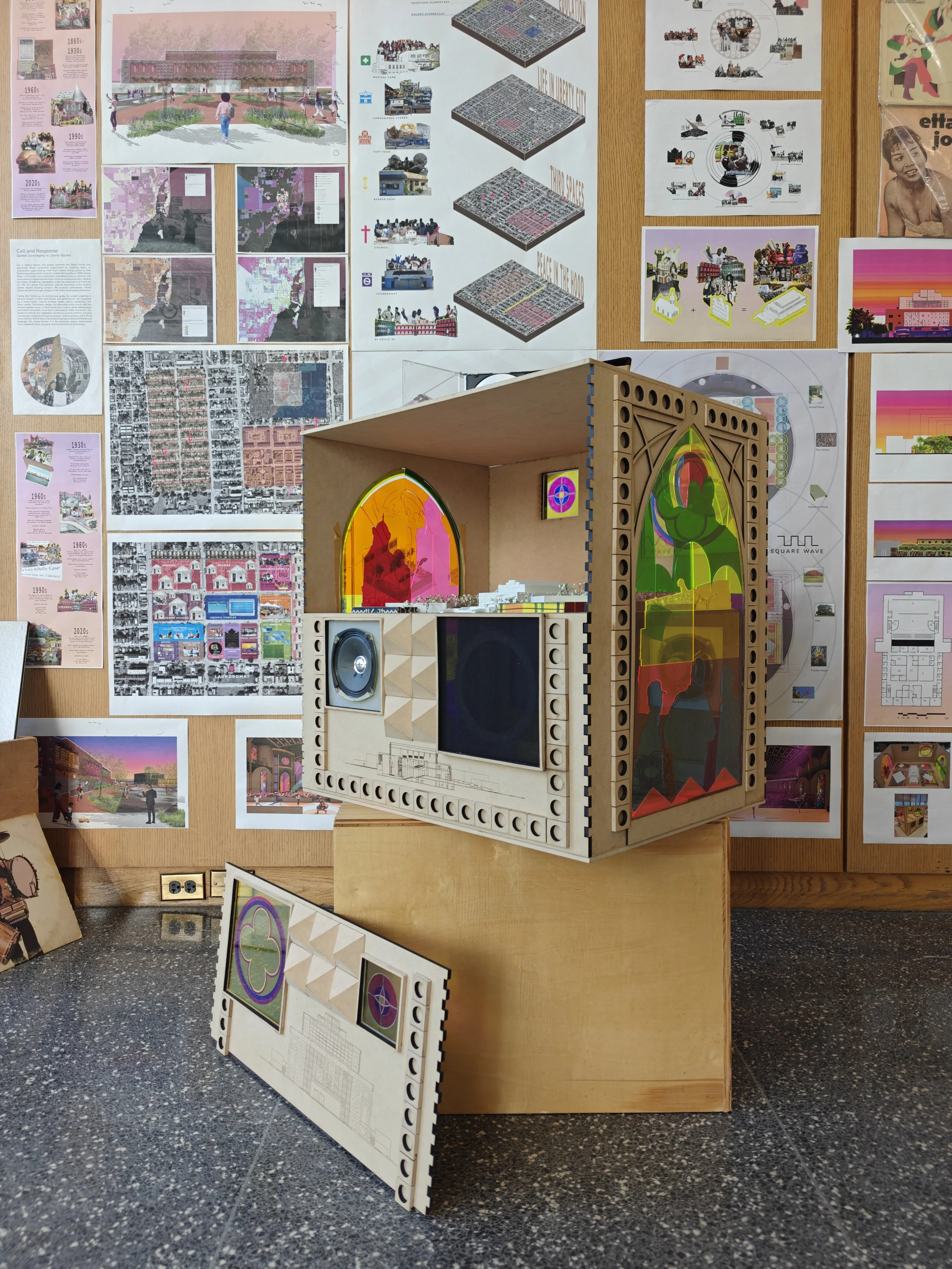
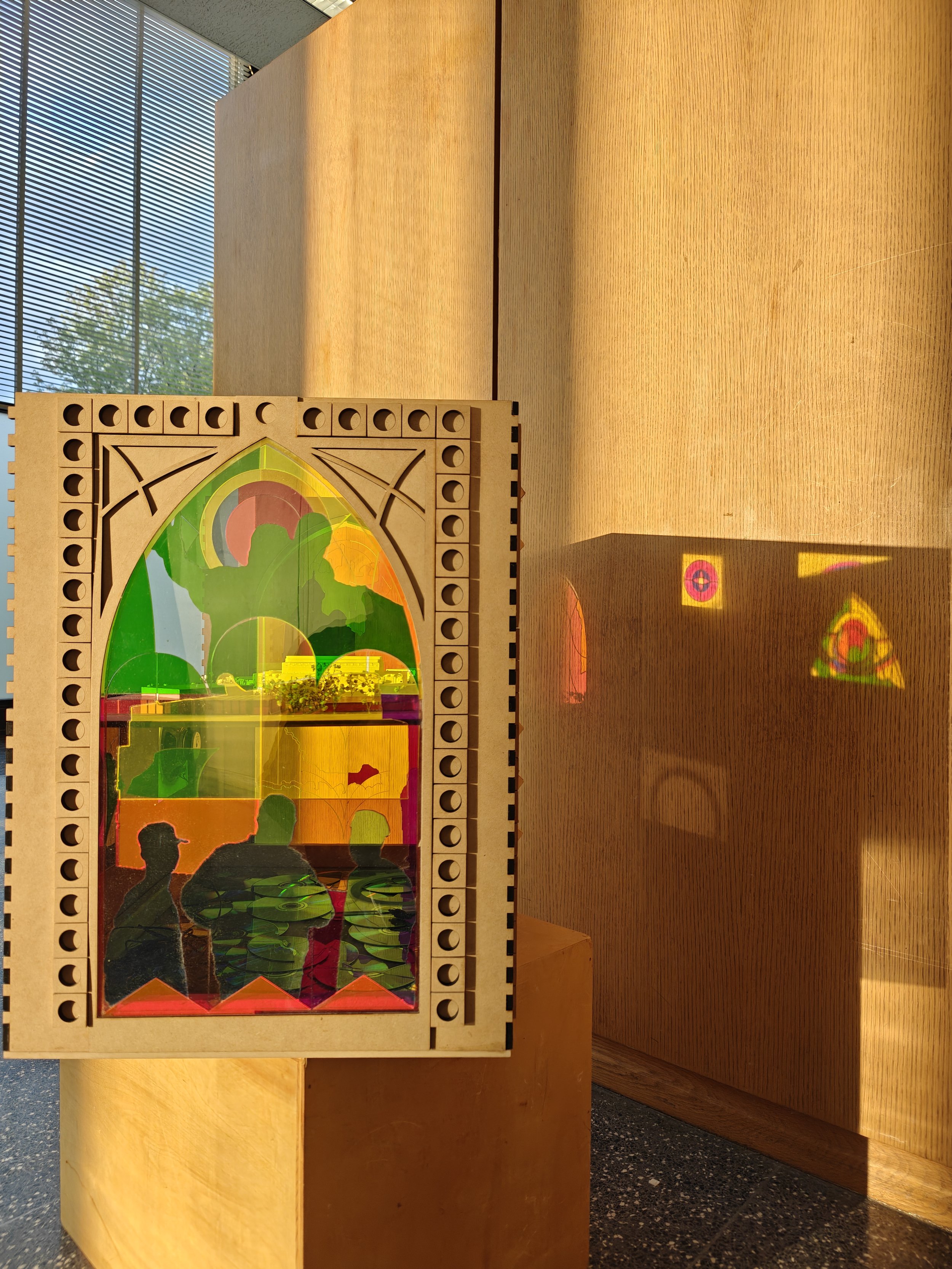
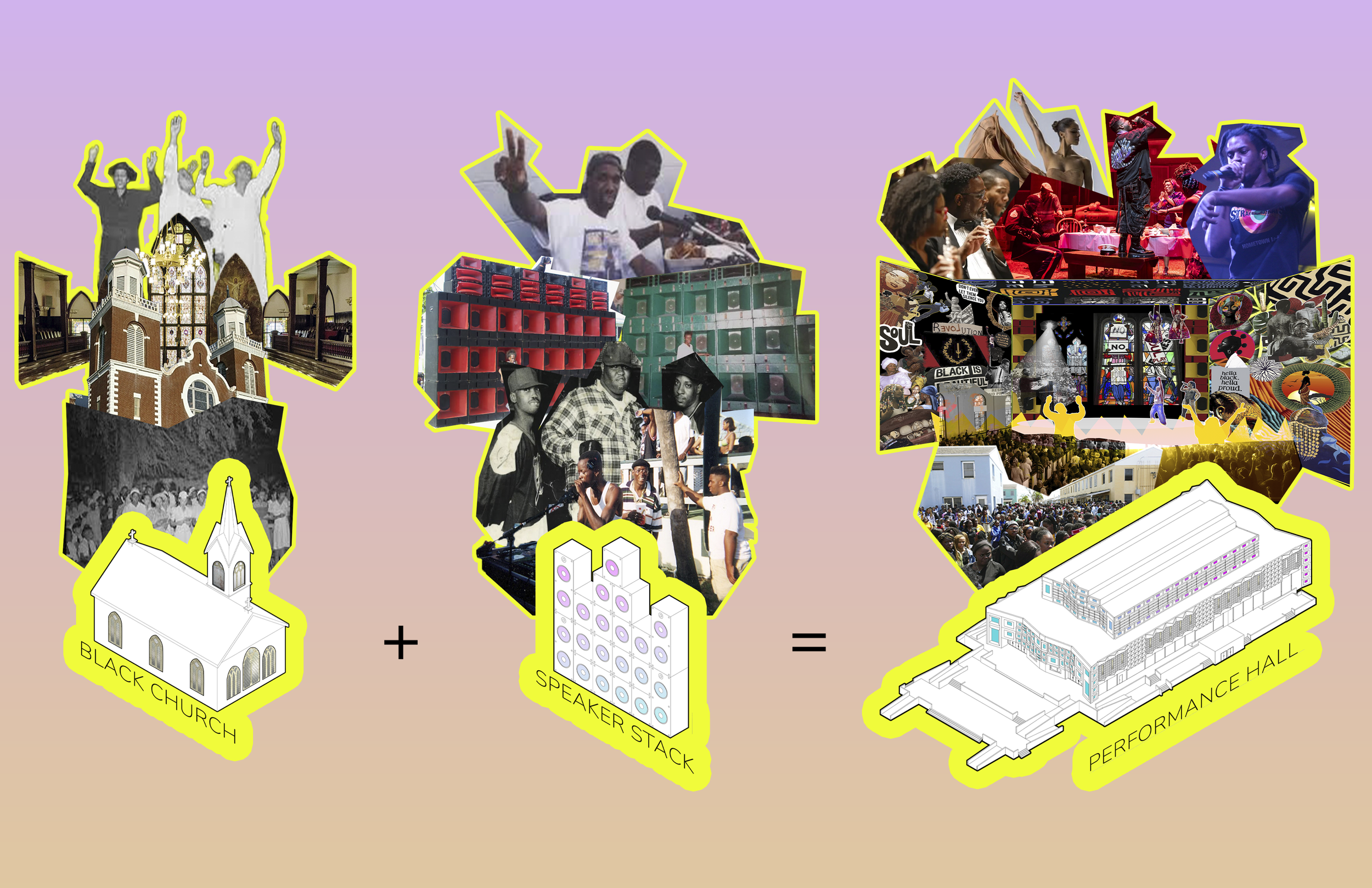
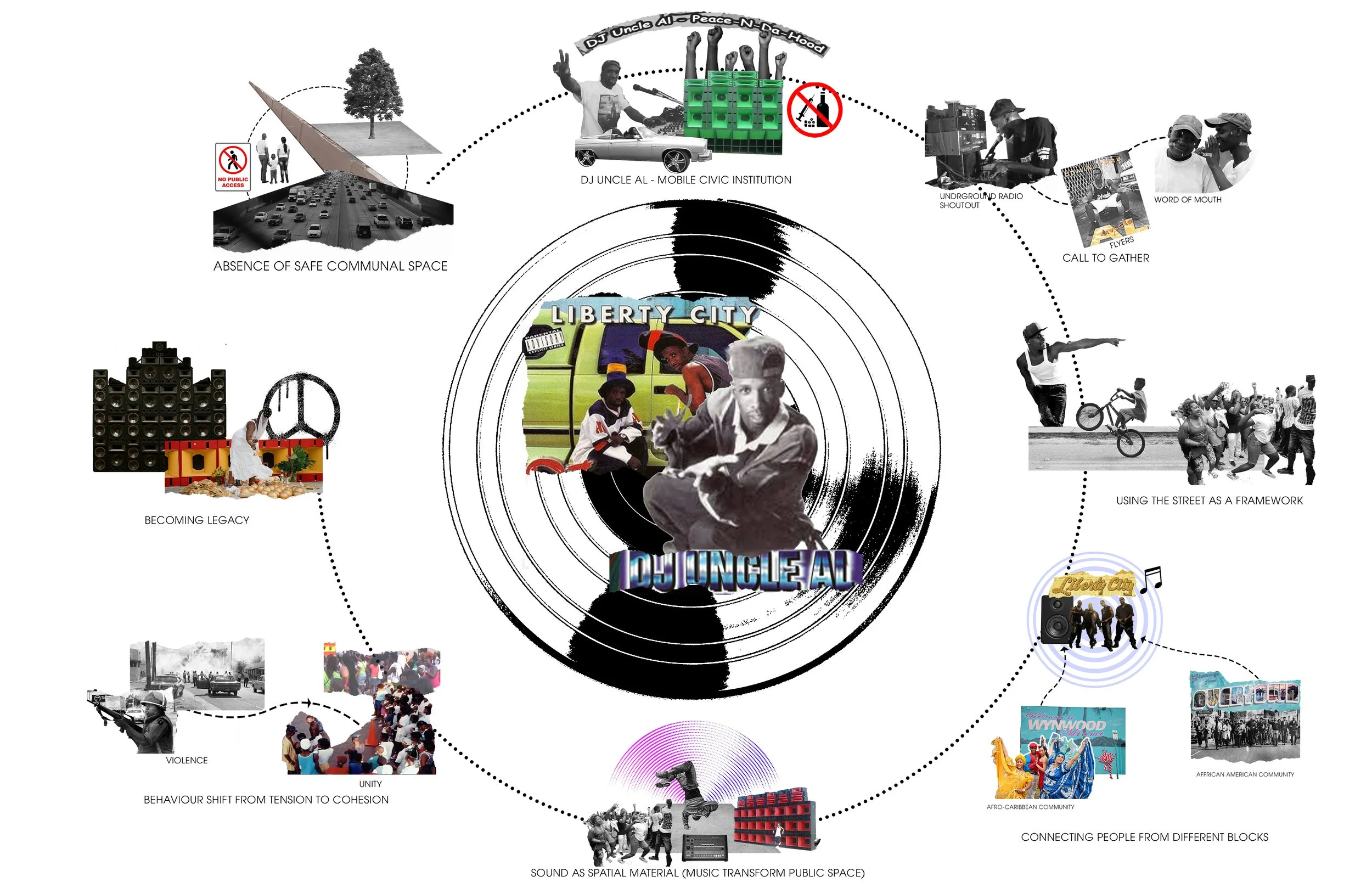
Set in Liberty Square, this project examines the Black Church and grassroots Black community organization as enduring forms of autonomous space-making. From hush harbors during slavery to Civil Rights organizing and DJ Uncle Al’s mobile block parties in 1990s Miami, Black communities have continually assembled cultural, spiritual, and social spaces in response to exclusion, erasure, and displacement.
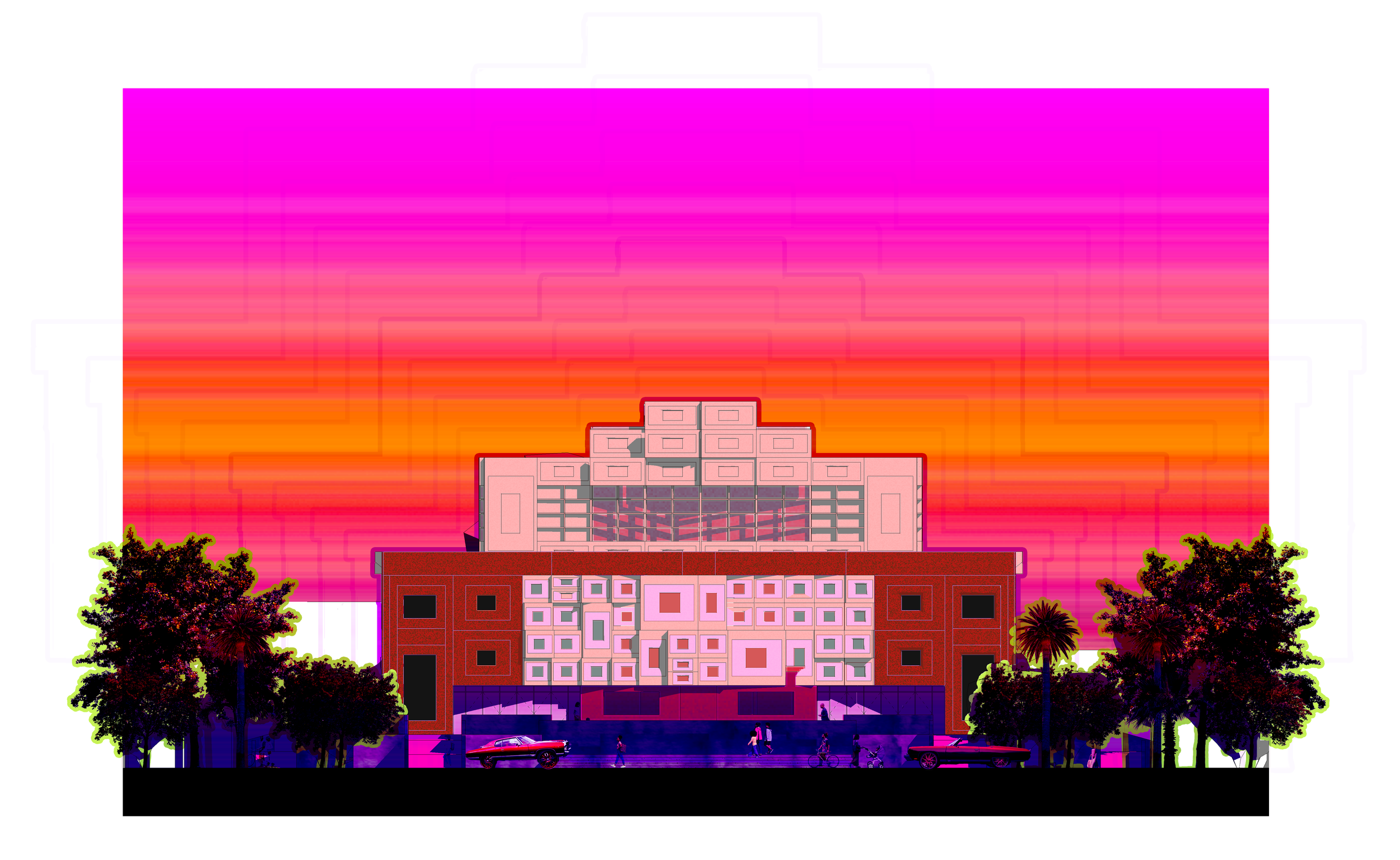
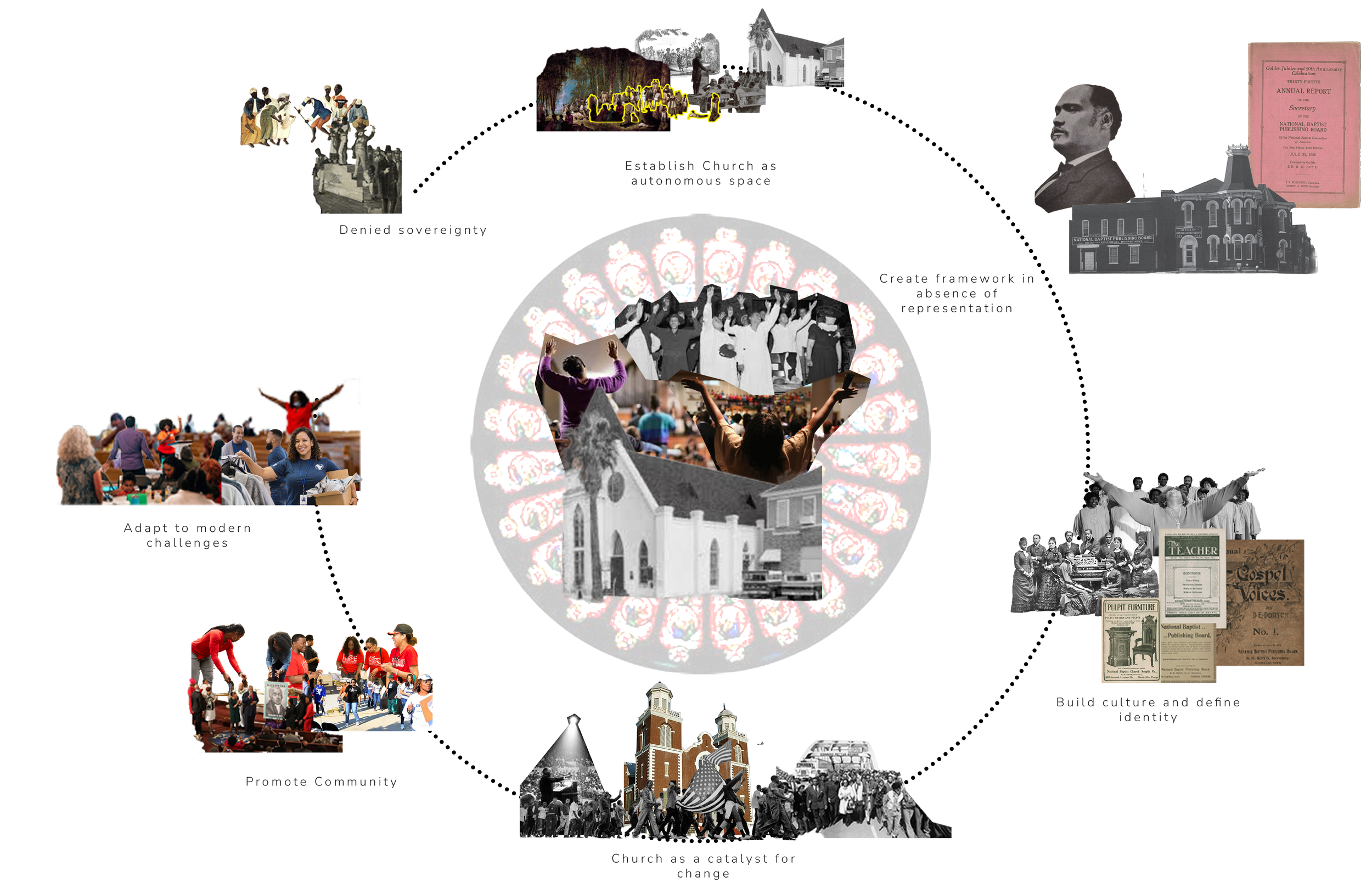
Against the history of redlining, segregation walls, the destruction of Overtown for I-95, the Liberty City uprisings, and the demolition of the original Liberty Square housing complex, the proposal understands Liberty Square as part of a longer lineage of self-determined spatial production.
The State of Liberty
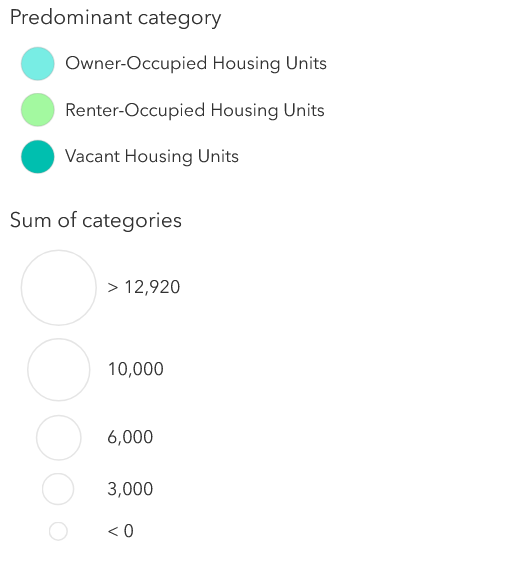
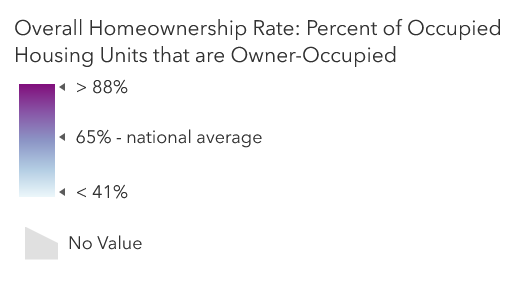
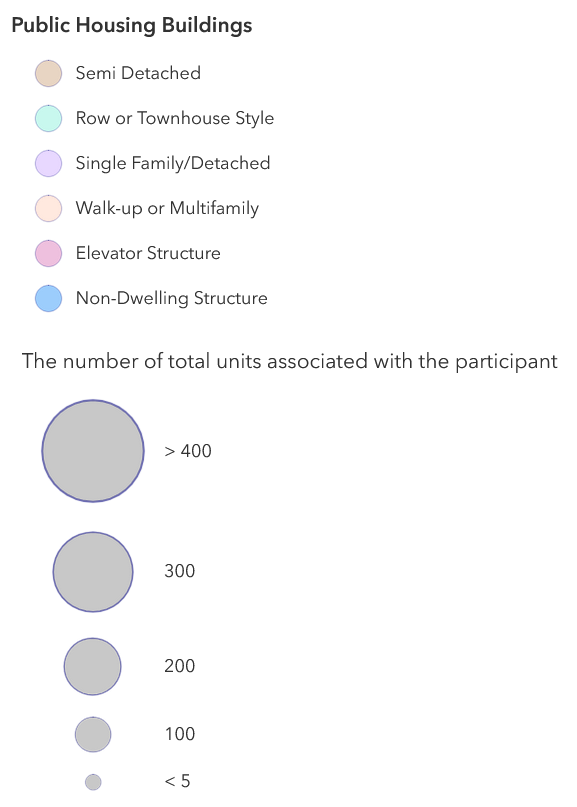
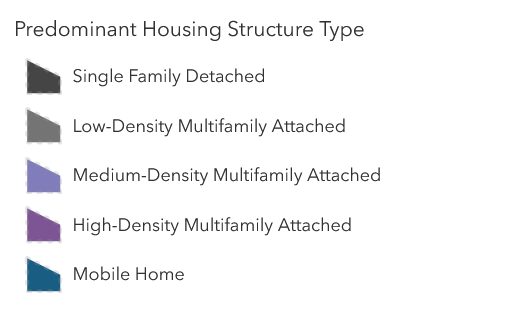
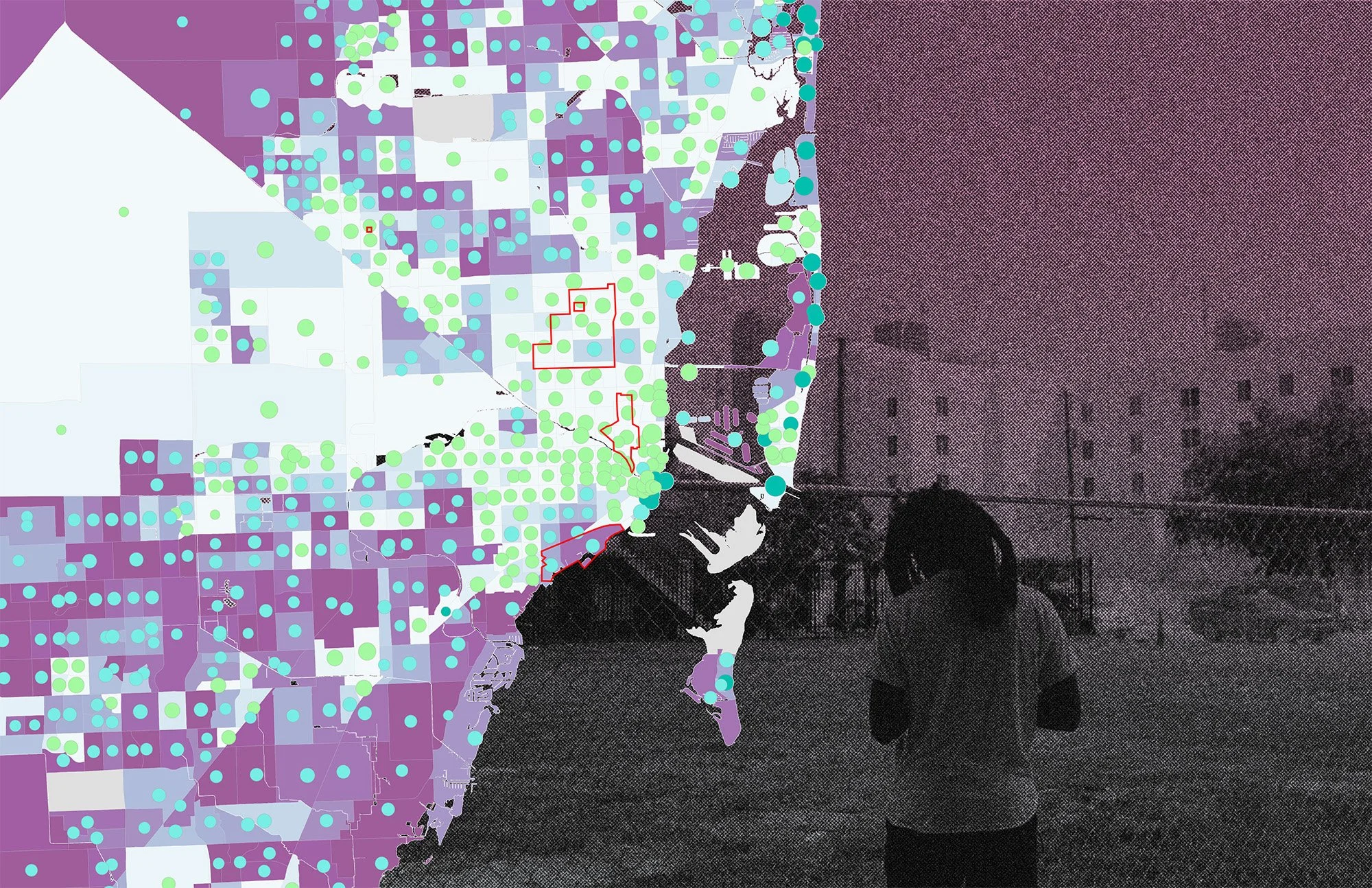
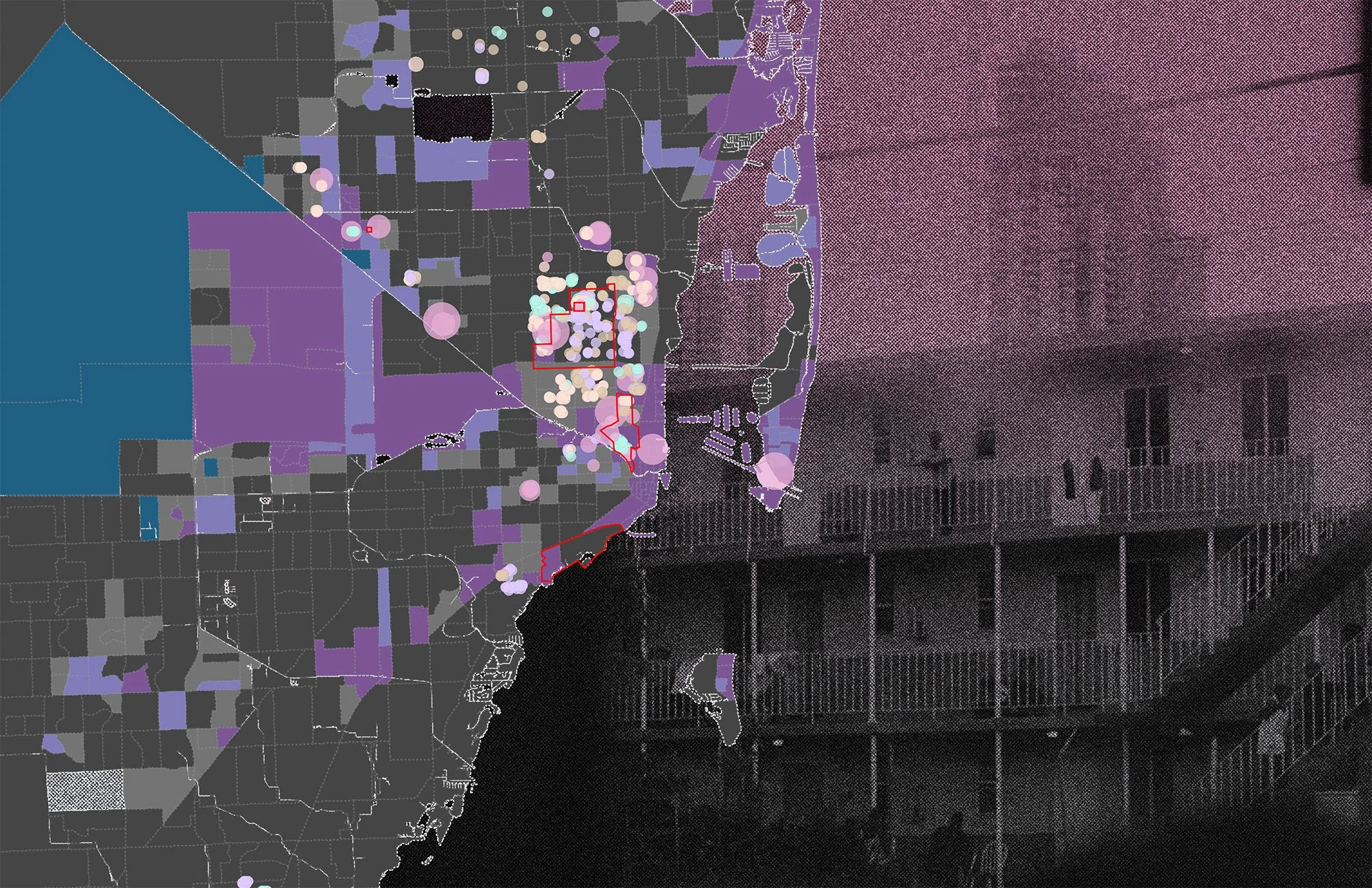
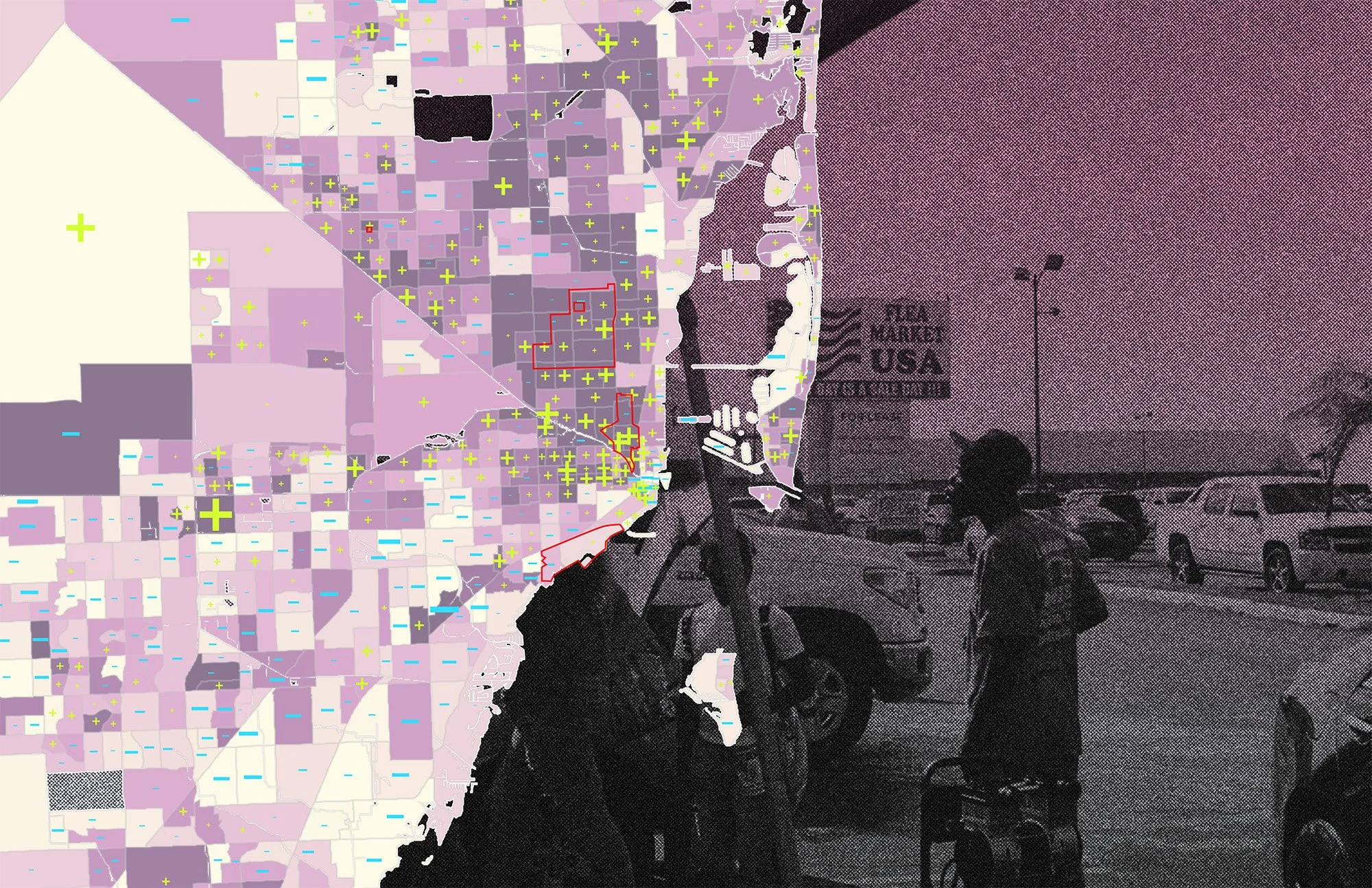
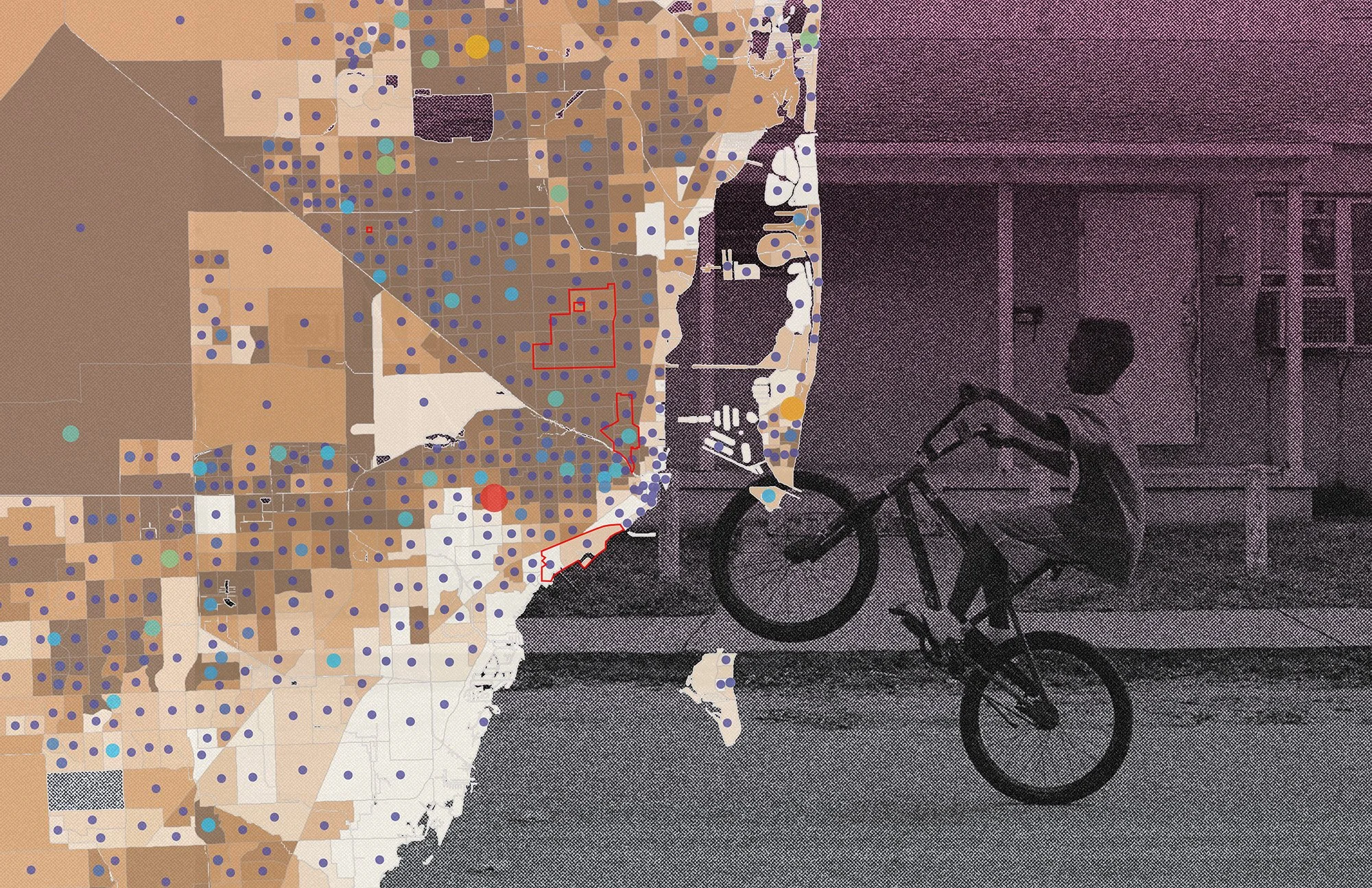
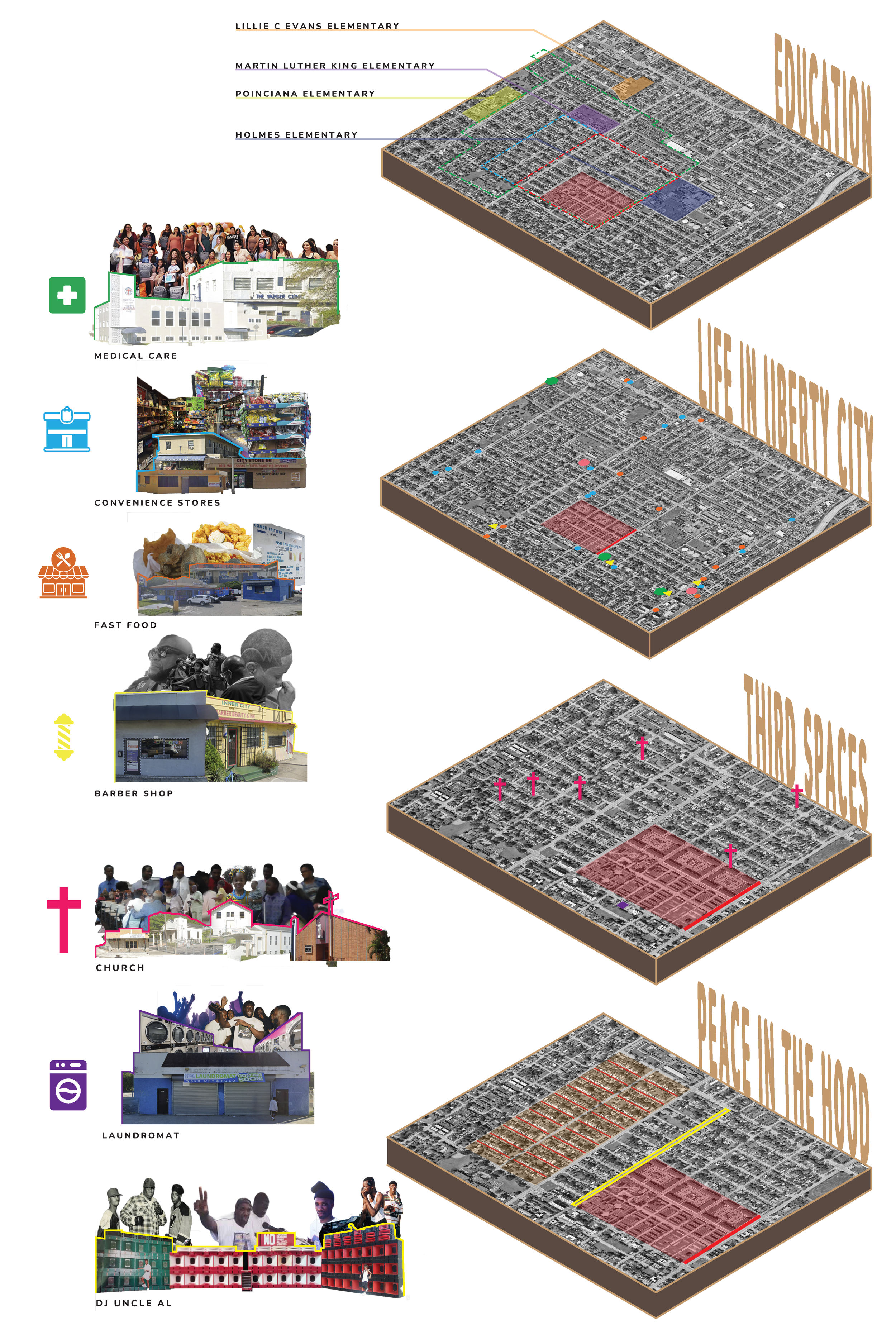
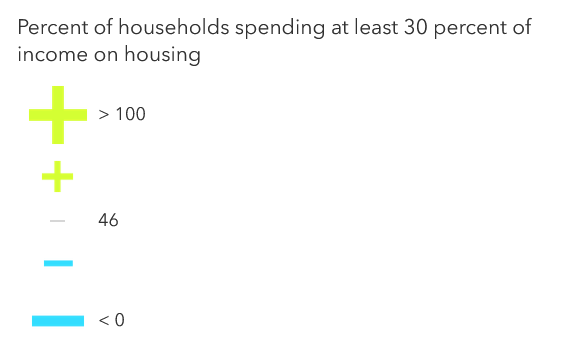
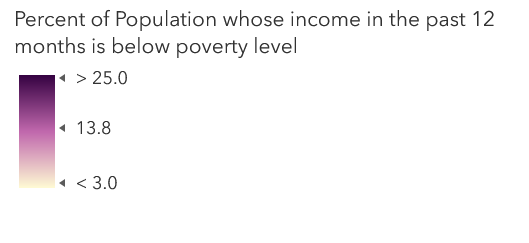
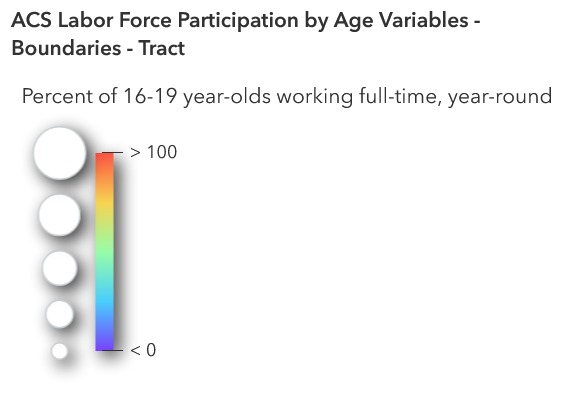
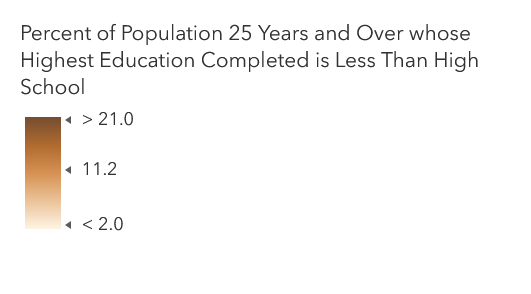
These mappings reveal the uneven distribution of resources and opportunities that continue to shape daily life in Liberty City while also identifying the institutions, organizations, and cultural networks that sustain community life.
Cultural Infrastructure
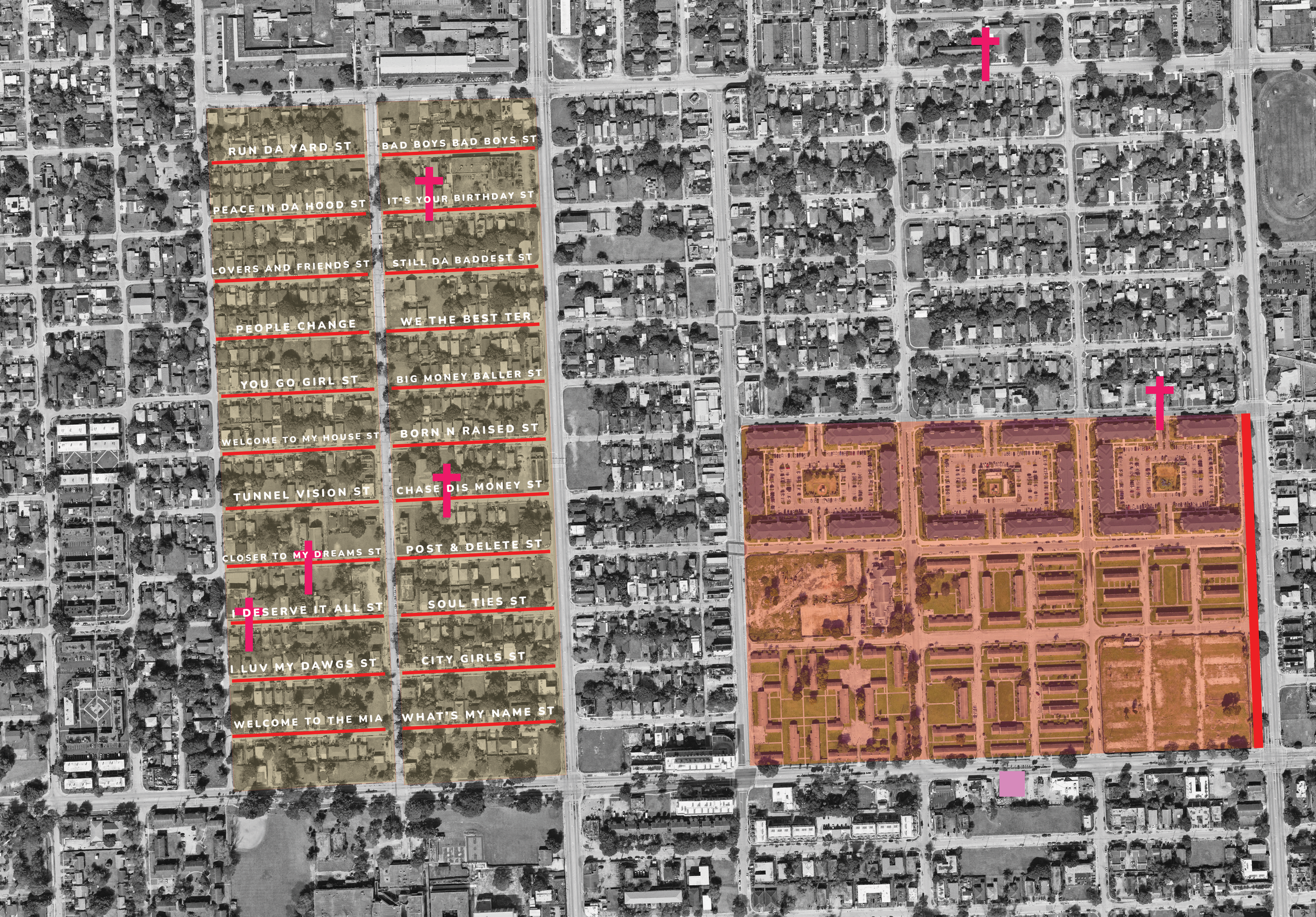
Miami’s commemorative street naming program sits alongside the Liberty City segregation wall. While the city publicly celebrates the artists, musicians, and cultural figures who emerged from these neighborhoods, the physical infrastructure of segregation remains largely unacknowledged.
Proposed Master Plan
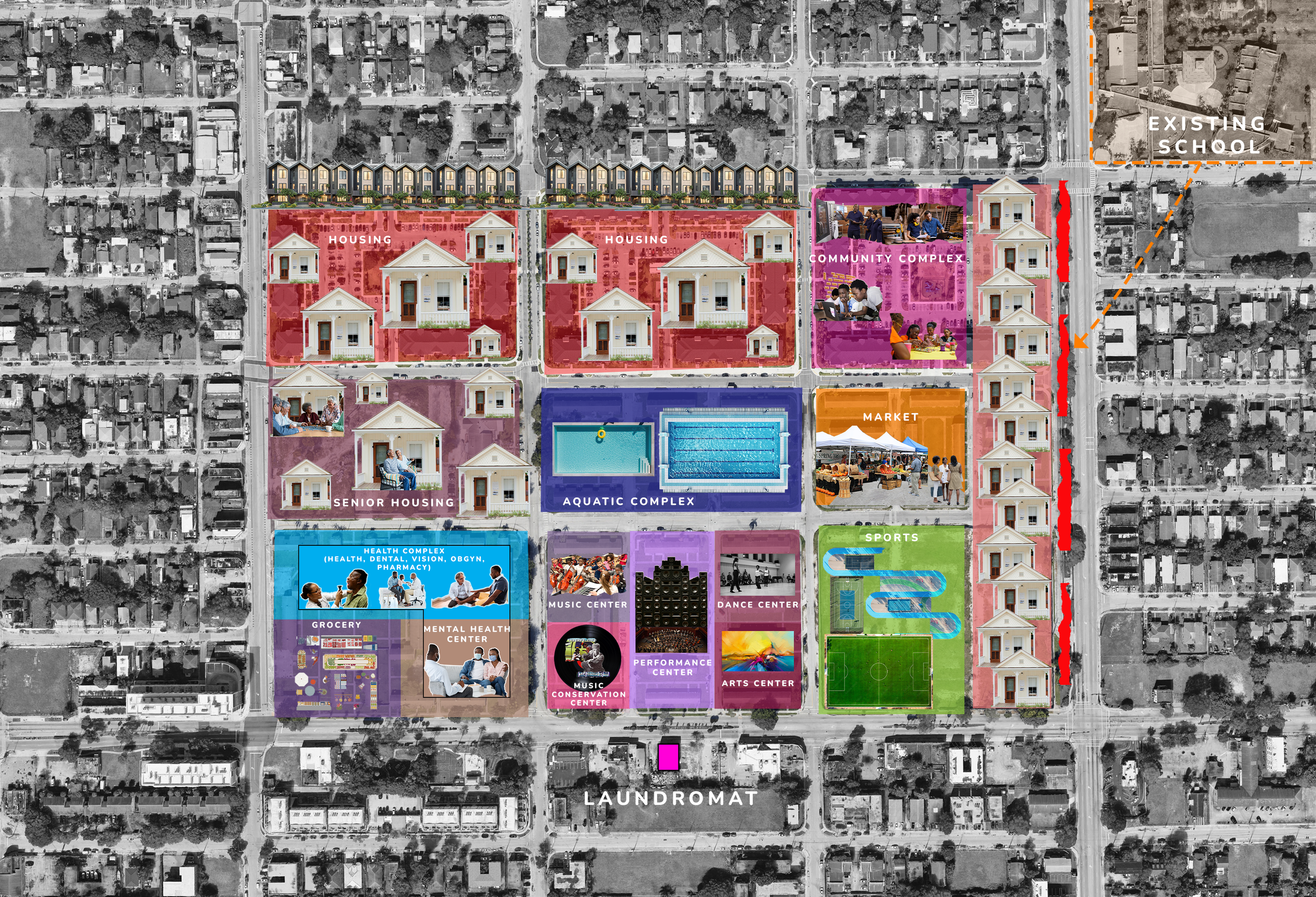
The performance center is part of a larger master plan for Liberty City that includes new housing, senior housing, a community center, public market, grocery, medical services, sports fields, and an aquatic complex. The aquatic complex reintroduces a civic amenity that was included in the original 1930s plans for Liberty Square but ultimately omitted due to concerns about disease transmission.
Soundscapes
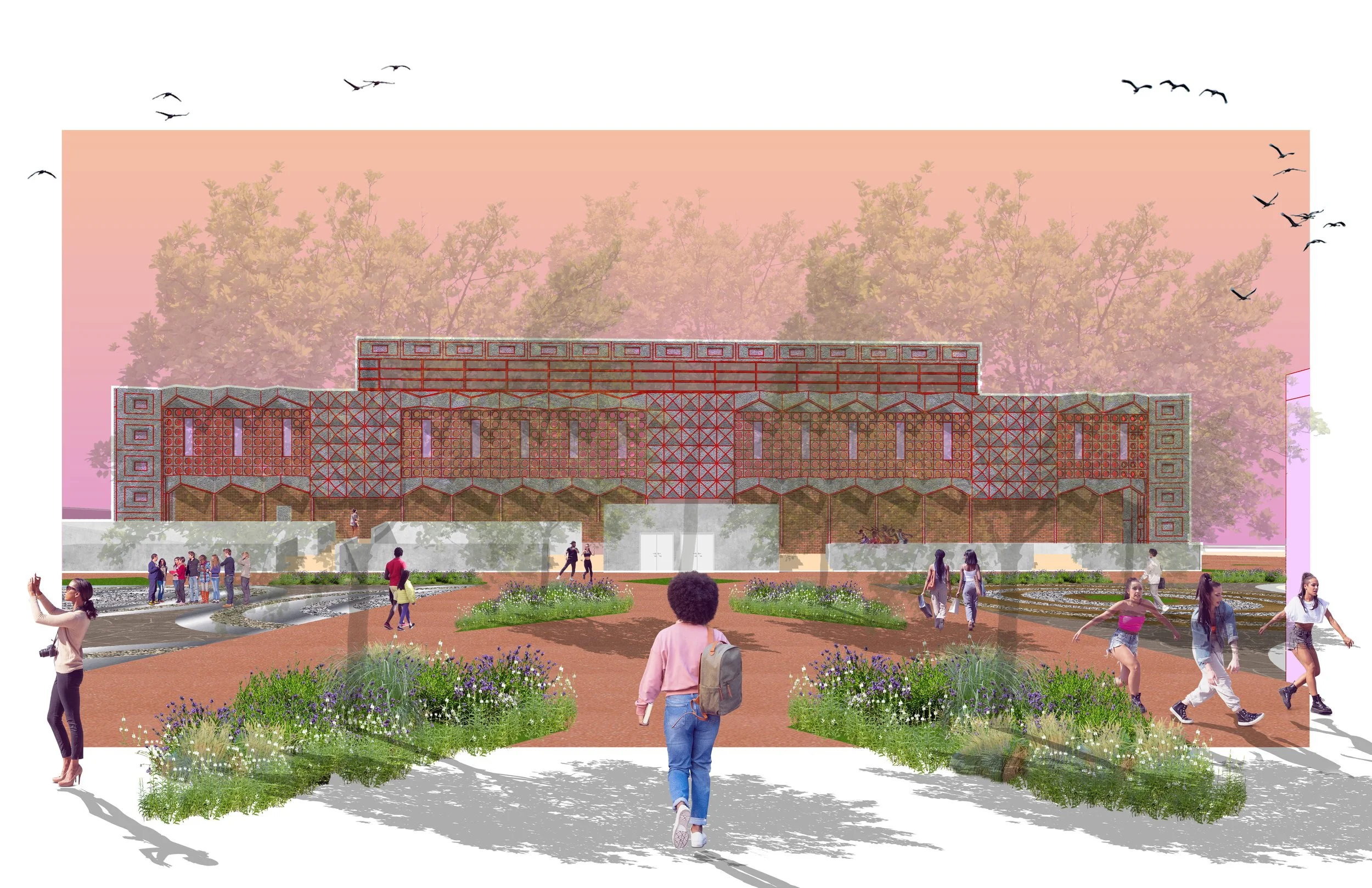
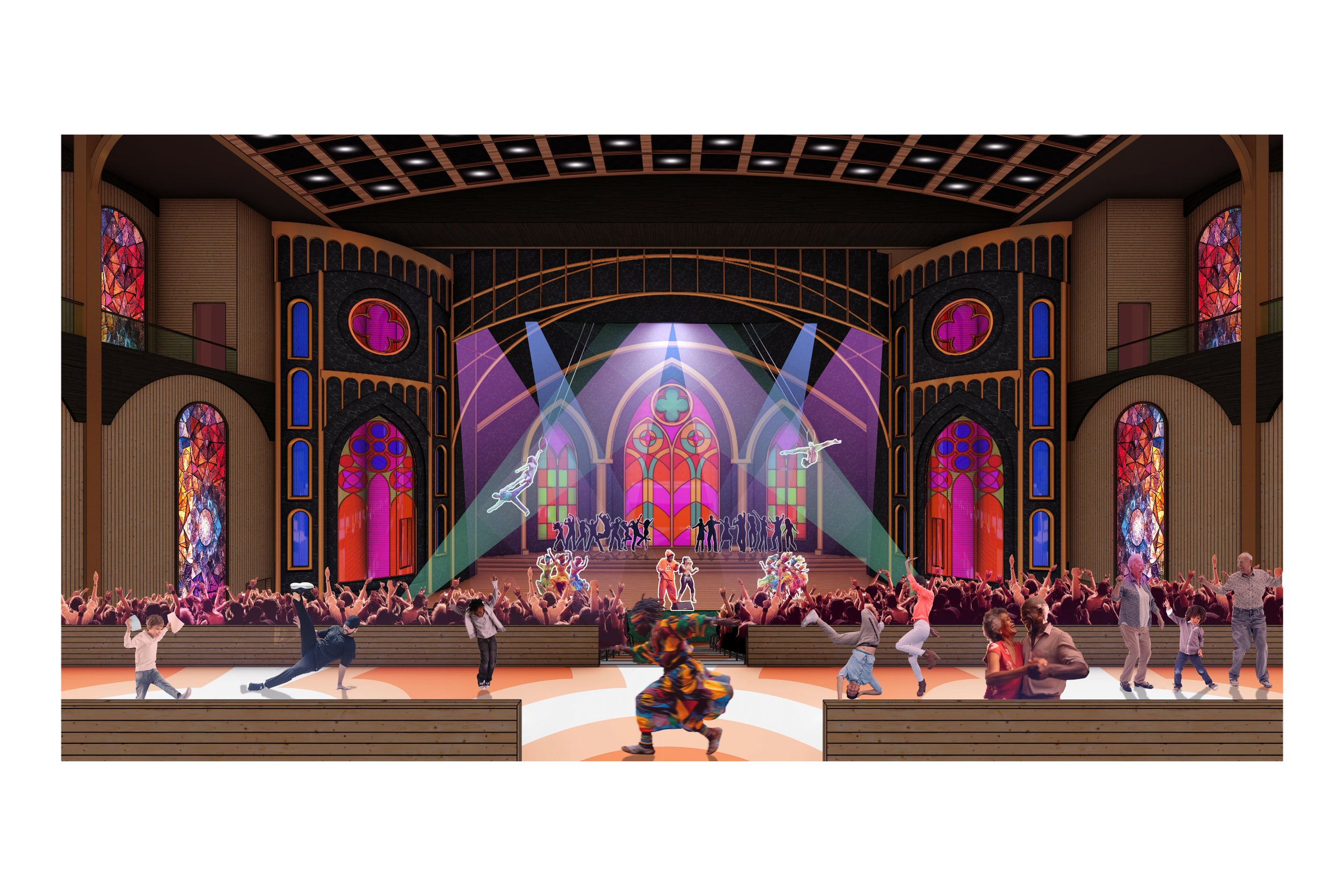
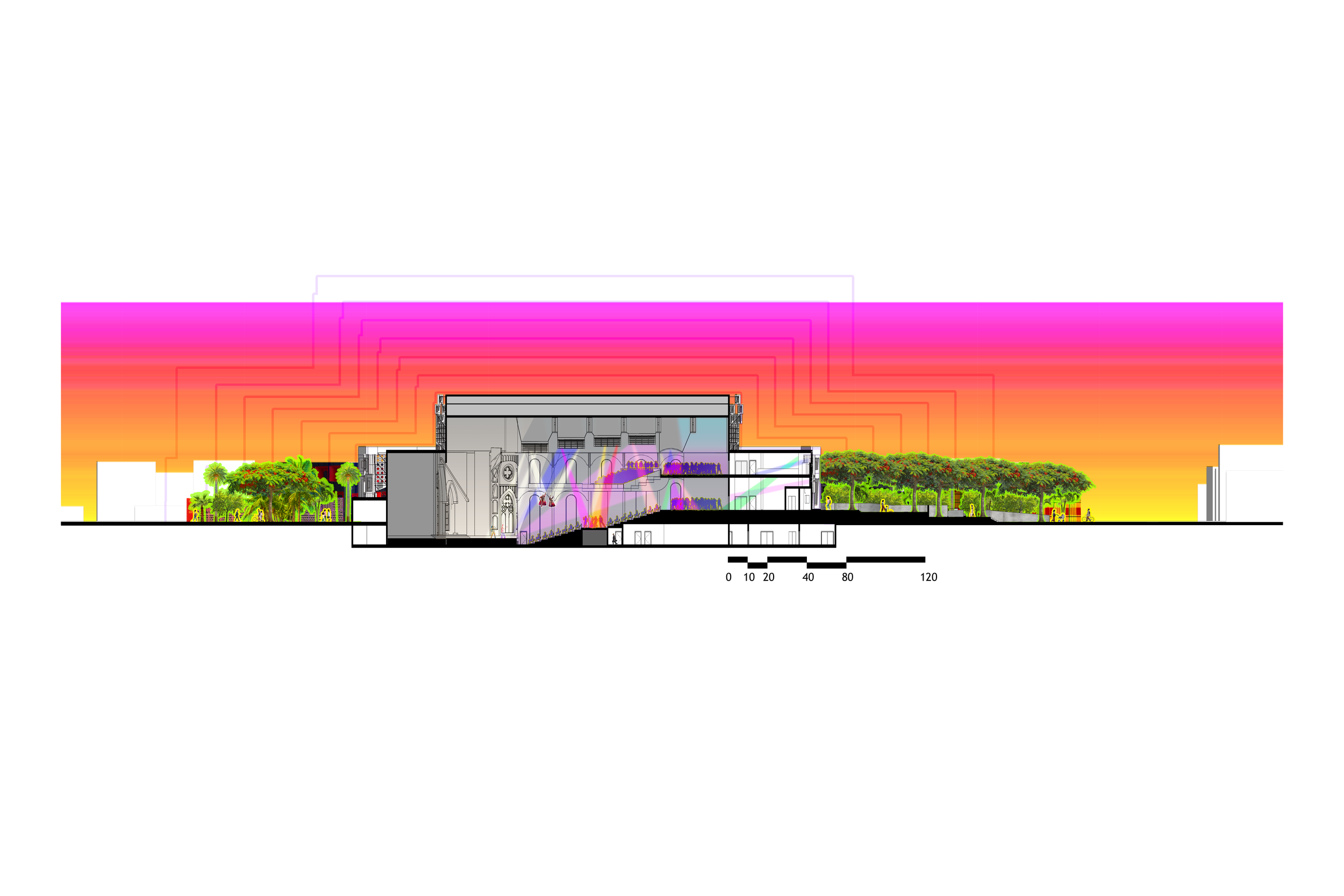
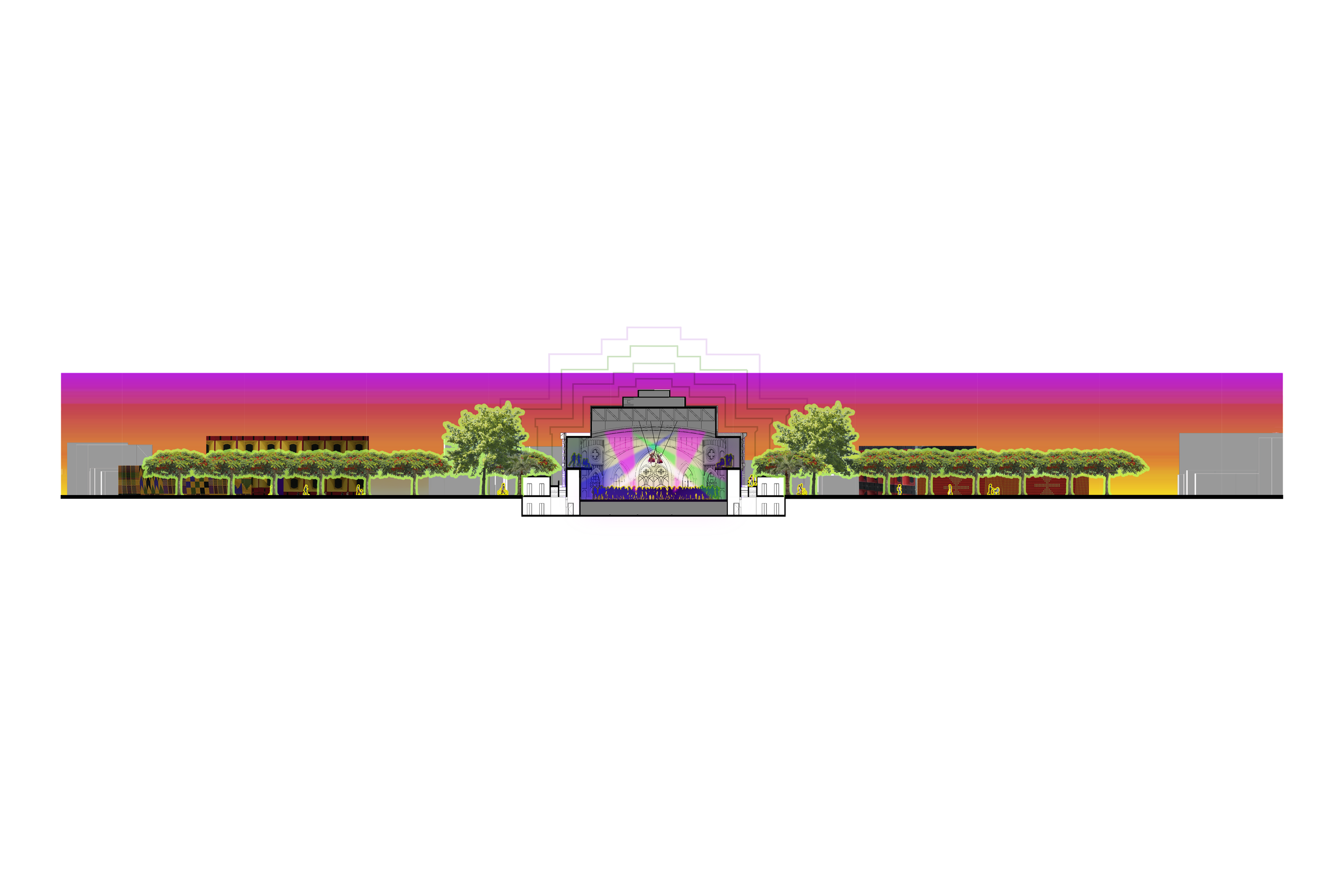
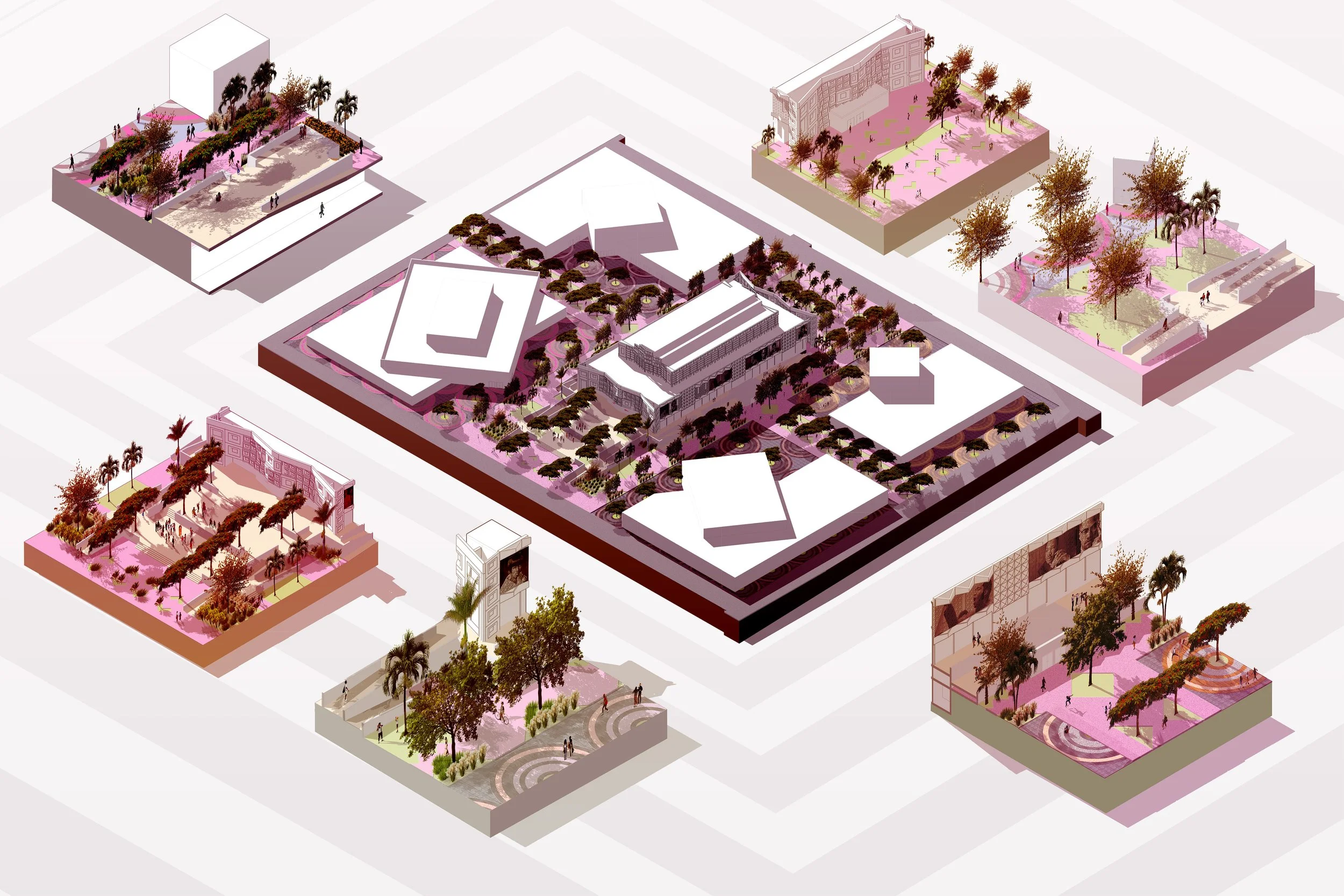
Taking that history as its architectural guide, the project organizes a campus around a 1,000-seat theater and performance hall supported by a music center, cultural heritage center, gallery workshops, and dance studio.
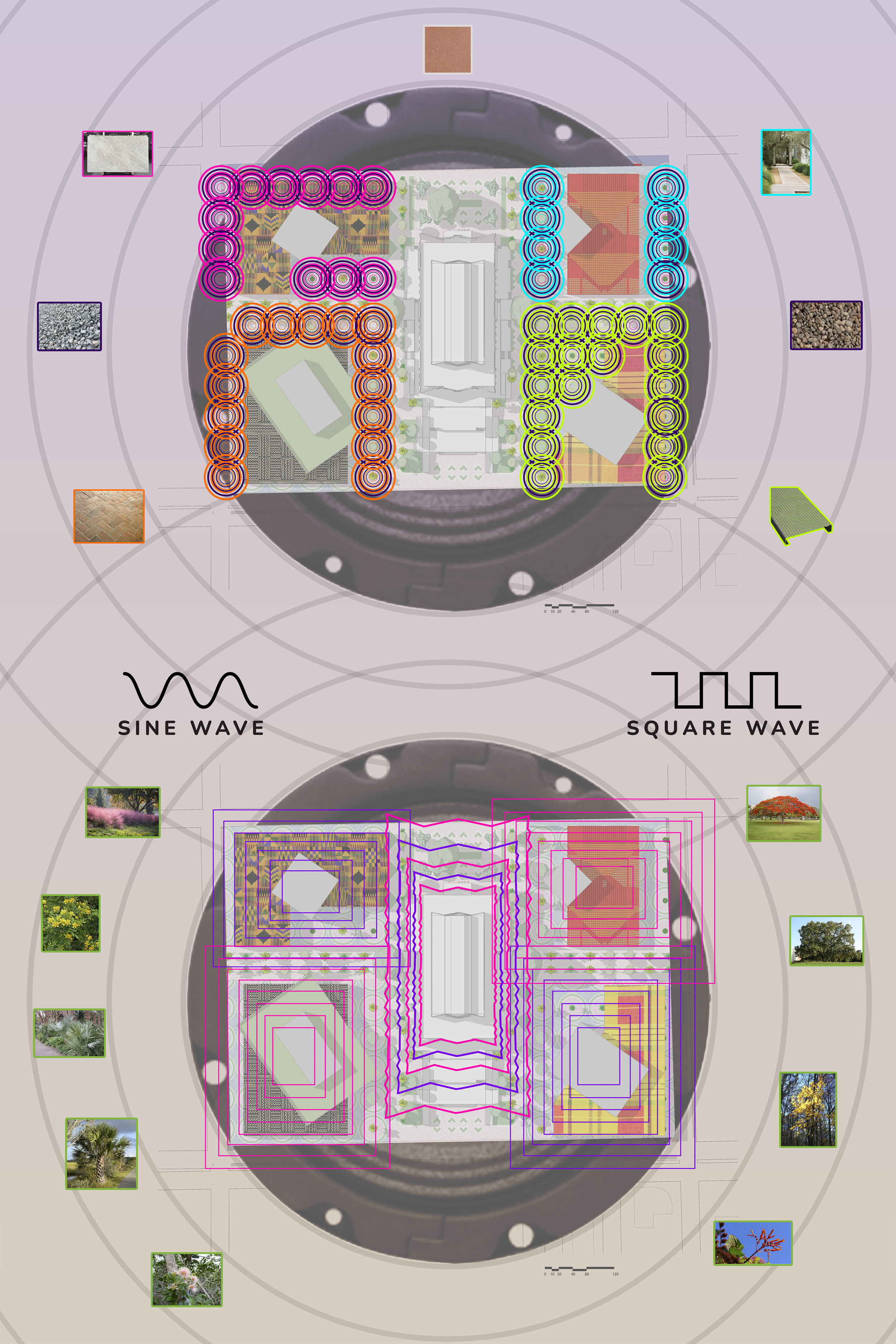
Across the site, bands of material and vegetation operate as acoustic markers, creating a landscape navigated through resonance, rustling grasses, and shifting sonic textures.
Rather than treating Black spatial practice as a fixed formal language, the project locates it in the sovereign spaces communities have repeatedly built, occupied, and transformed for themselves.